Damaged Property and How to Fix It: A Homeowner’s Guide
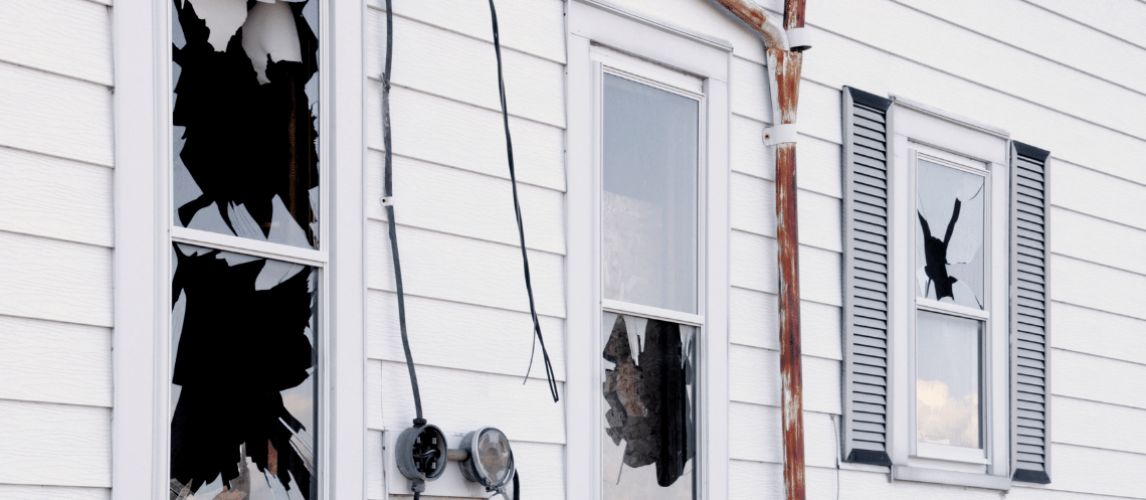
Damaged property can be caused by natural events, vandalism and lastly negligence, but can it be restored? Our Homeowner’s Guide will answer all your questions on how to fix damaged property. From assessing damage and filing claims to engaging with professionals and restoring your property, Property Claims Consultants has you covered with our comprehensive guide.
What Counts as Property Damage?
As a homeowner, is it recommended to have an understanding of what counts as property damage, especially if you ever find yourself in a position where you are dealing with property damage.
Types of Damage
- Natural disasters (flood, fire, earthquake, storms)
- Negligence or accidents (water leaks, vehicle impact)
- Vandalism, theft, or intentional destruction
Real vs. Personal Property
Real property includes land, buildings, and fixed attachments.
Personal property includes movable items like furniture and jewelry.
Need more information on real vs. personal property? Check out our blog all about the topic!
Initial Steps After Property Is Damaged
1. Assess and Document Damage
Safely inspect, photograph, and take an inventory of damaged areas. The more information about the damage, the easier it will be to file a claim.
2. Contact Your Public Adjuster
A public adjuster evaluates damage, handles documentation and negotiations while helping you maximize your claim.
3. Engage Restoration Professionals
Specialists for smoke, mold, flood, fire-related cleaning and repairs, often required by insurers.
Navigating Insurance and Claims
Filing Your Claim
When filing your claim, you will be asked for documentation of the damage. Take photos when the damage is at its newest to make filing your claim easier. Public adjusters can also help manage estimates to insurance.
Avoiding Under-Settlement
Insurance adjusters may offer lowball settlements which is why having a public adjuster who will advocate for full recovery is incredibly beneficial.
Working with Contractors vs. Adjusters
Contractors rebuild and public adjusters handle your claim. You never should let contractors act as adjusters legally.
Repair and Restoration Steps
Immediate Mitigation Actions
Seeking immediate mitigation actions is vital to preserving your home and preventing further damage. To prevent further damage, dry water leaks, ventilate smoke, board windows, and secure property.
Professional Restoration Scope
Mold remediation, smoke cleaning, structural work, water damage mitigation are all examples of professional restoration that you could benefit from, depending on the cause of your property damage,
Final Inspection & Verification
Confirm that repairs are complete and meet safety and code requirements with your adjuster to seek verification of your final inspection.
Conclusion & Next Steps
As we wrap up, let’s recap on what homeowners should do when faced with property damage.
- Document Damage
- File a Claim
- Hire a Public Adjuster
- Engage Restoration Experts
- Prevent Future Damage
Contact Property Claims Consultant today for a free consultation and regain control after property damage.
No comment yet, add your voice below!